La Otra (1945), dir. Roberto Gavaldón. Heights Theater, Thursday, December 15.
A masterpiece by just about any noir standard, La Otra screened to about 75 people on a snowy night at the Heights Theater. The people I spoke to were amazed at what they’d seen, as this was a new experience for fans of classic noir or just old films in general. La Otra has never been screened in Minnesota before, and is not available screening. Only recently was it even available in a DVD or Blu-ray; prior to this you could only see wobbly YouTube videos without English subtitles.
The Bishop’s Wife (1954), dir. Henry Koster. Heights Theater, Thursday, December 8.
Some Christmas movies are just plain earnest, their emotions visible for all to see, the story and the direction serviceable, but that service is to the communication of what the holiday should mean to all of us–the joys of gathering together, of kindness, of sharing, and especially love, spiritual and perhaps even physical. That’s beautiful.
And some Christmas movies are just plain earnest, their emotions visible for all to see, the story and direction serviceable, because the participants are stuck with a mediocre director, dull plot and actors, maybe even good actors, totally incapable of overcoming these glaring shortcomings. That’s The Bishop’s Wife. It’s the worst Christmas movie I’ve seen in probably a decade.
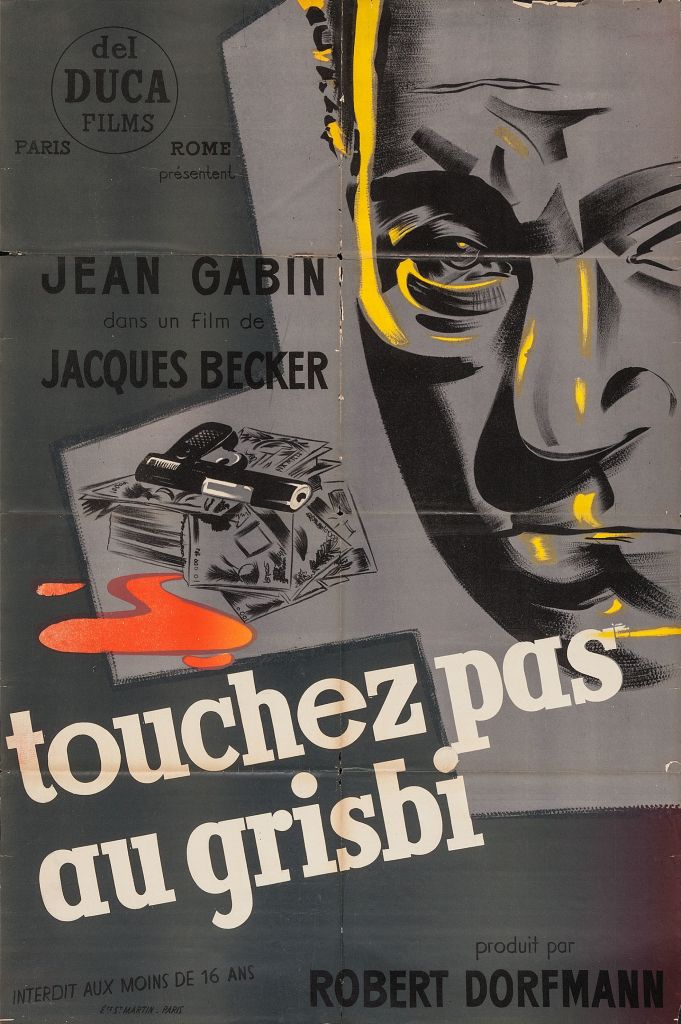
Touchez pas au grisbi (1954), dir. Jacques Becker. Streaming at home, Friday, Decembver 2.
God, what a strange and wonderful little film. I came into this thinking it was a heist film, whose ingredients usually involve a guy with a plan who finds another guy whom he trusts, then together they build of the heist team, then they all planning, which reveals scheming and backstabbing (you know, character), then comes the execution of said plan, then the eventual unraveling, the deaths, the apprehensions. The end.
That’s not Touchez pas au grisibi (which is French for “hands off the loot”). I’m usually loath to quote Roger Ebert, but here he puts it well: “Growing older is a balancing act between skills that have never been better, and abilities that sometimes betray.” This is a movie about two older criminals trying to cope with their superior skills undermined both by their age and a changing world, and the affection that they feel for one another. It’s remarkable.
Bachelor Mother (1939), dir. Garson Kanin. Streaming at home, Tuesday, November 29.
There’s an old chestnut I just can’t stand, usually found on bumper stickers applied to automobiles owned by left-leaning drivers, that reads, “Ginger Rogers did everything Fred Astaire did, except backwards and in high heels.” First of all, “dancing backwards” is actually called “following”, and, here’s news for you, Astaire created every dance in every one of his films, and could lead and follow. True, perhaps he couldn’t have done it in high heels. However, he taught Ginger Rogers all those dances. And, very likely, in part, by “dancing backwards.”
But that’s about Fred Astaire. What galls me about that joke is that it pretends to be feminist while actually ignoring the woman it’s invoking, which is far from feminist (the quote was written by a man, the man who drew the comic strip Frank and Ernest, Bob Thaves). I get that it’s supposed to be a statement about how hard women work without being acknowledged, and often times that work is absurdly difficult. However, it’s equally bad to ignore real accomplishments just to make a point.
Watch any Fred Astaire movie, and you’ll witness incredible artistry on the dance floor. Too bad his movies aren’t all dancing, because once the music stops you need great actors to carry the story along. That heavy lifting is not done by Fred Astaire, but by Ginger Rogers. Rogers was a great actress and an astounding comedian and I think she’s vastly superior to Astaire as a tap dancer. Fred Astaire movies without Ginger Rogers are simply not as good as the ones they made together (though I concede Funny Face is up there). She totally carries those films when they’re not dancing, better than he is, by far, when it’s time to act and be funny. And when they’re dancing? In that elevated realm she is also his equal, absolutely his equal, which you cannot say for him in any other regard. No one wants to watch an Astaire movie without dancing, but you could make a good series out of Rogers’ movies on her own, without a single spin around the room. Case in point: Bachelor Mother.
Greased Lightning (1977), dir. Michael Schultz. Trylon Cinema, Sunday, November 27.
Greased Lightning is the story of Wendell Scott, the first Black race car driver. He is played by Richard Pryor, and at one point in the film, after Scott has been injured in an accident and recovering in a hospital (covered in bandages), his wife, Mary (Pam Grier), urges him to give up racing. He’s older, she says with tears in her eyes, and he just can’t keep up. Furthermore…
Mary: They got the sponsors… they got the best cars and the best mechanics. What you got?
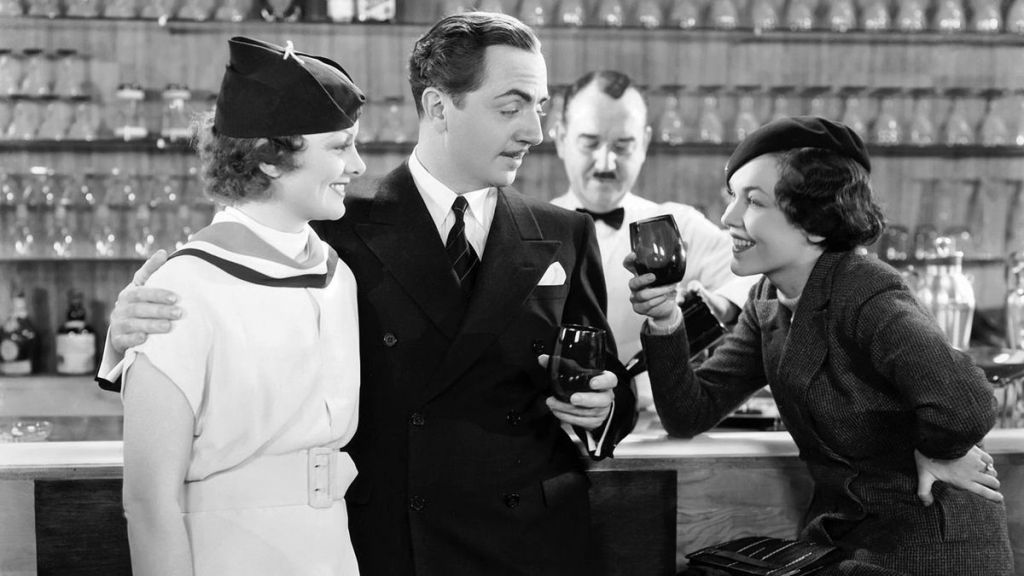
The Thin Man (1934), dir. W. S. Van Dyke. Streaming at home, Saturday, November 26.
Holy shit do people drink in this movie. They are total drunks in The Thin Man, a popular film adapted from what is arguably Dashiell Hammett’s weakest novel. I enjoy this film, because there’s a tremendous chemistry between William Powell’s Nick Charles and Myrna Loy’s gorgeous Nora, and of course that fox terrier, Asta. They’re fun. The mystery, utterly predictable and concluding, Agatha Christie-like, with all suspects gathered around a dinner table, holds your attention, perhaps due to the short run time. The direction is routine, a camera plonked down in one room, then another, not a composed shot of any beauty or fascination in the whole thing. There’s a rogues’ gallery of underworld pals of Nick’s that are amusing, if a bit belabored. As usual, the young attractive woman (Maureen O’Sullivan, a mediocre actress, mother of Mia Farrow) and her young attractive man are a pair of dullards, but you get that in a lot of comedies from this time.
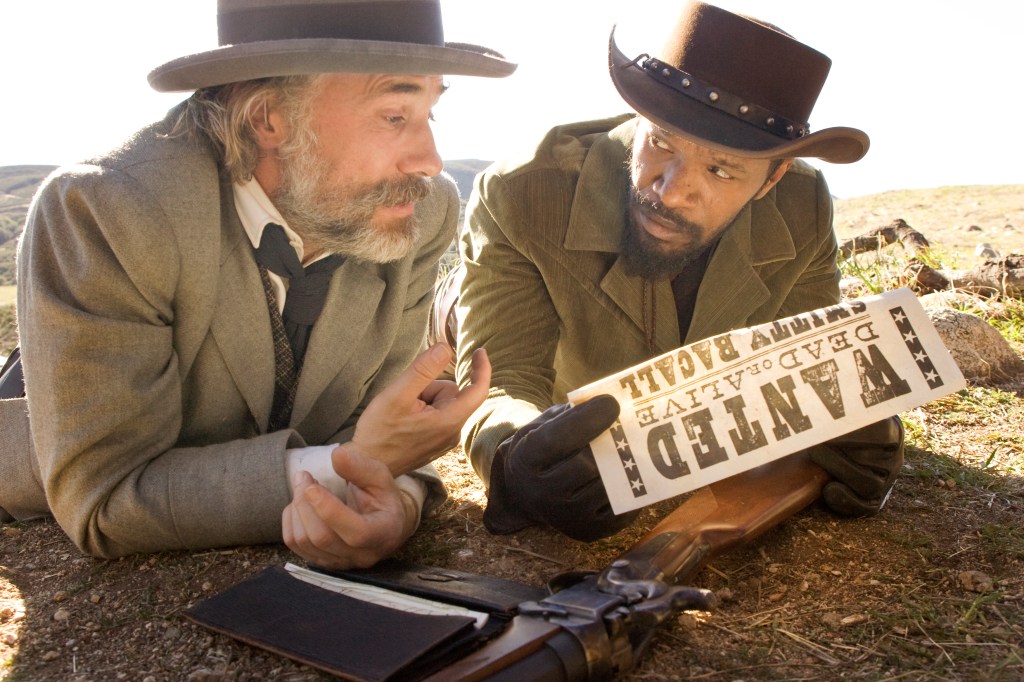
Django Unchained (2012), dir. Quentin Tarantino. Streaming at home, Thursday, November 23.
Still excited about Cinema Speculation, I decided to rewatch Tarantino’s most popular film, Django Unchained. Earlier this year, I rewatched Pulp Fiction (and was watching it while Godard died in Switzerland) and Inglourious Basterds, which still held up and is still my favorite of his. I won’t say much about Django, except that in many ways it’s his best film–its plot is tight and clever, the violence is both cartoonish and terrifyingly real, and its acting is pitch perfect, other than Kerry Washington (damn, she’s awful). I’d forgotten how entertaining this movie was (I’d only seen it when it came out), and how the violence, when it gets very real, is really disturbing. Then I went back and looked at reviews, and man, this moviesure gotpeople yakking. Three articles in The New Yorker alone! Boy, did it make white critics look like shitbags, too. I was most taken in by Jelani Cobb’s take, which seemed measured, reasoned, and the only one that examined Tarantino on his own terms–honestly, I don’t know of a filmmaker for whom critics praise his talent and then go, “he really should make different movies, though…” Hell, man, Spielberg’s talented and makes shit movies–why don’t people write that about him? Cobb, who was teaching in Moscow at the time, has fascinating insight on Basterds and Django, and I love being challenged to rethink films that I enjoy. Worth reading.
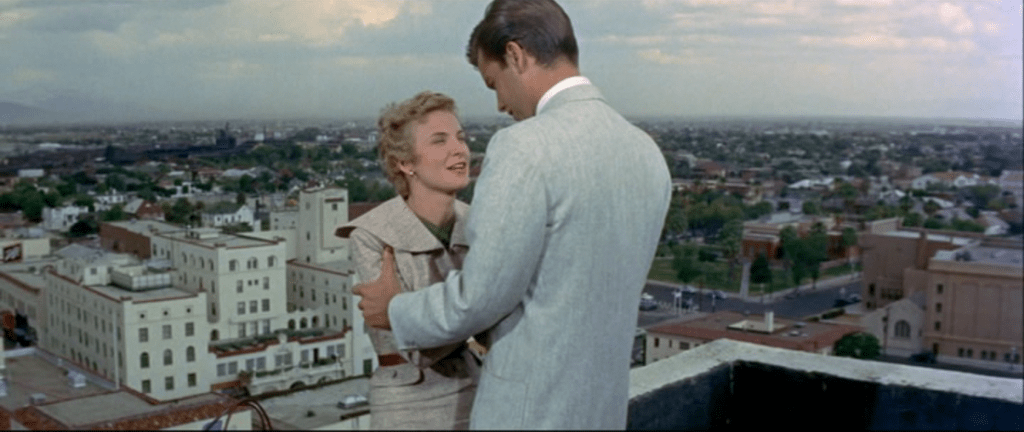
A Kiss Before Dying (1956), dir. Gerd Oswald. Streaming at home, Tuesday, November 22.
Honestly, I’m a bit surprised that no one programmed Gerd Oswald’s very strange, and at times laughably bad, A Kiss Before Dying when Robert Wagner was reconsidered to be a person of interest in Natalie Wood’s death in 1981. I mean, you have this total creep who has murdered one girlfriend and has his sights set on another. It seems like a… well, if not perfect fit, an interesting one, anyway.
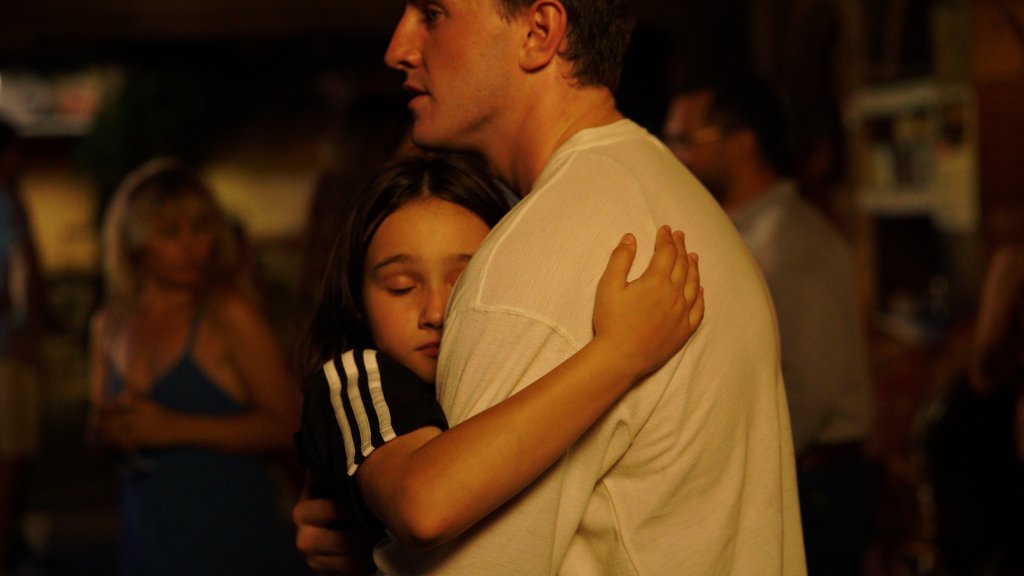
Aftersun (2022), dir. Charlotte Wells. AMC Southdale, Tuesday, November 22.
Spoiler alert, though I don’t think what I write in the last paragraphs are really a “spoiler” in this essentially plotless film.
I have only three things to note about Aftersun, a movie I absolutely loved:
First, it’s one of the best films I’ve seen this year, just an absolute marvel. I feel as though I’m going to remember this screening on this damp November day as if its story were a part of my own personal experience, such is its power. It actually hurts to remember it, in that way that we welcome and even seek out from great art.
Has there ever been a movie as successfully remade as Fritz Lang’s M? Who would’ve thought this disturbing movie about a serial killer who preys on children would find itself remade twice, and each film is brilliant, and each one brings new insight and critiques to the story. The American remake, from 1951, hews much more closely to the original. But the Argentine version, The Black Vampire, is very different. In the other two versions, the killer is at large and the police decide to raid the underworld in an effort to shake the killer out into the open. This disrupts the money flow for the many organized crime syndicates, who decide to unite in order to find the killer themselves and get back to their shenanigans. Lang’s film was more critical of the police, suggesting that there’s little difference between them and the gangsters; in the American remake, this idea is not really underlined, and part of the point is that we need to be more aware of mental illness, which was swept under the rug in postwar America. Here, hwoever, the police are draconian, but the underworld is powerless, doing nothing wrong other than peddling, living on the street or combing the sewers for junk they can use or sell. But the cops want order, and punish everyone who gets in their way in pursuit of the murderer, even the poor souls who come to them with new information. In fact, here the police, especially the chief prosecutor, are horrible and creepy, upending the lives of quite a few totally innocent people. I don’t know if this is the film’s subtle critique of Juan Perón’s commitment to law and order, but it sure seems that way.





 Movies with People Watching Movies