The 60s Were Hell on Earth

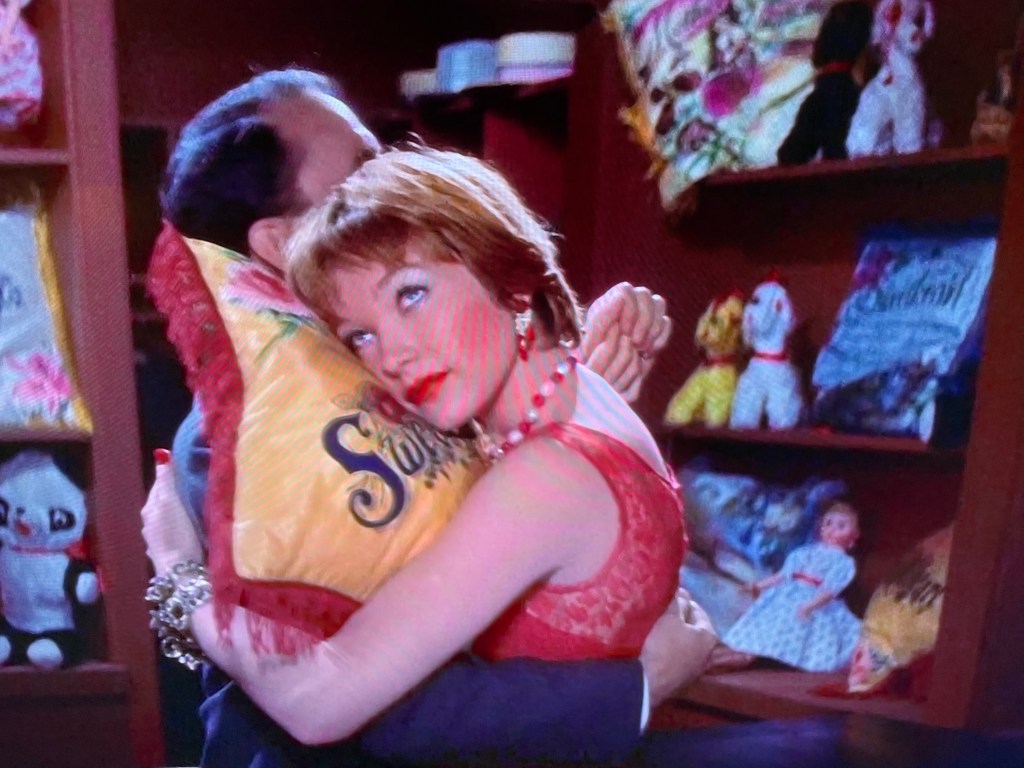
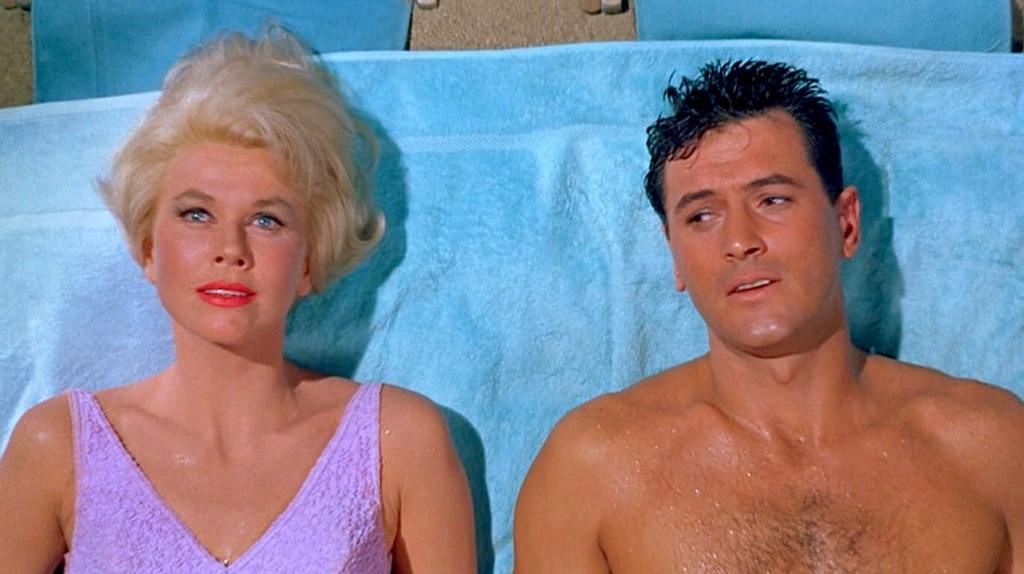
Lover Come Back (1961), directed by Delbert Mann. Criterion Collection at home on Wednesday, February 1.

Oh, those Doris Day/Rock Hudson comedies. Explosive colors, endless double-entendres, a wacky plot, split screens, Doris Day fuming and Rock Hudson pouting until they end up in bed together and get married. They’re fun, in a way. We enjoyed watching Lover Come Back, from 1961, on the Criterion Channel because I was sick and wanted something really light (as opposed to what I was reading, Moby-Dick.)

But there’s also stuff like everyone getting bombed all the time. Suppressed homosexuality. A weird stone bowl full of different brands of cigarettes on a home bar for everyone to enjoy. Women struggling to make it as professionals, leered at by creepy old men or patronized by their male bosses. Parties where women get passed around like canapés (one gets snuck out in a bass fiddle case, I guess to enjoy later). A professor who makes a candy that gets you so totally drunk you don”t know what you’re doing. Men lying to women in order to get things, ruining careers for laughs or getting them into bed, for laughs, but also for pleasure. Lover Come Back seems like was written by gag writers at Playboy Magazine, and it’s often mean-spirited, very rarely respectful.

And with all their movies, there’s never any sexual chemistry between Day and Hudson. In fact, what makes it so sad is that these two have a tremendous chemistry betwixt them, it’s just as close, bickering friends. There’s so much gay subtext in this movie! Had this been the 2000s, these two would’ve made some amazing pictures, but it would have been honest, and sexy and fun for everyone, Rock would have been gay, Doris straight-as-an-arrow, and not just a side-splitting comedy for dopey straight white suburbanites who didn’t get what was actually happening.

Continue reading
Ferocious Melodrama in Pre-Empire-State-Building New York!

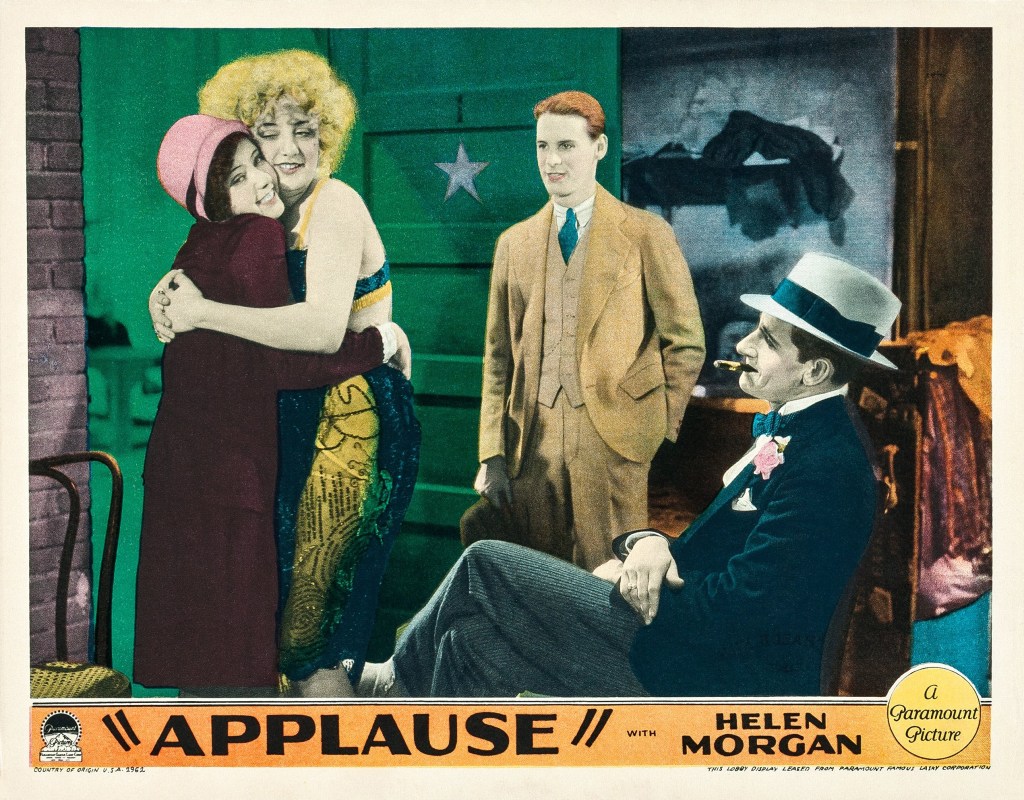
Applause (1929), dir. Rouben Mamoulian. Monday, January 30, Movie Night at Tom’s.

Applause was one of the first sound pictures, and according to Tom (who should know) its stunning camerawork was an innovation–shots back then were really static because they had to sheath the cameras in order to keep them from being heard on the soundtrack. Applause is the melodramatic story of a woman of burlesque, and that woman’s daughter, and how they survive this sordid, male-dominated world. It’s very effective, if not thoroughly over-the-top.

And it’s stunning, too, in its depictions of burlesque in those years. It looks as though they didn’t recreate this world, but actually shot an off-off-Broadway burlesque, with these broken women and their sagging stockings, the men gaping at them (the close-ups seem reminiscent of Eisenstein–director Mamoulian was Russian), everyone singing out of tune, smoke everywhere, booze. At one point, we see the daughter try to walk the streets of New York, only to run a gauntlet of freaks openly leering at her. Then she’s saved by a kindly sailor, and they take in the sights of Gotham, admiring the Woolworth tower. What? Oh, that’s right, the Empire State Building wasn’t even up yet! So crazy.

Applause is not brilliant, but it is effective, depressing in the way that melodramas are at their best, and a fascinating look at pre-1930s New York City.

This Groundhog Day, Watch “Edge of Tomorrow” Instead of “Groundhog Day”

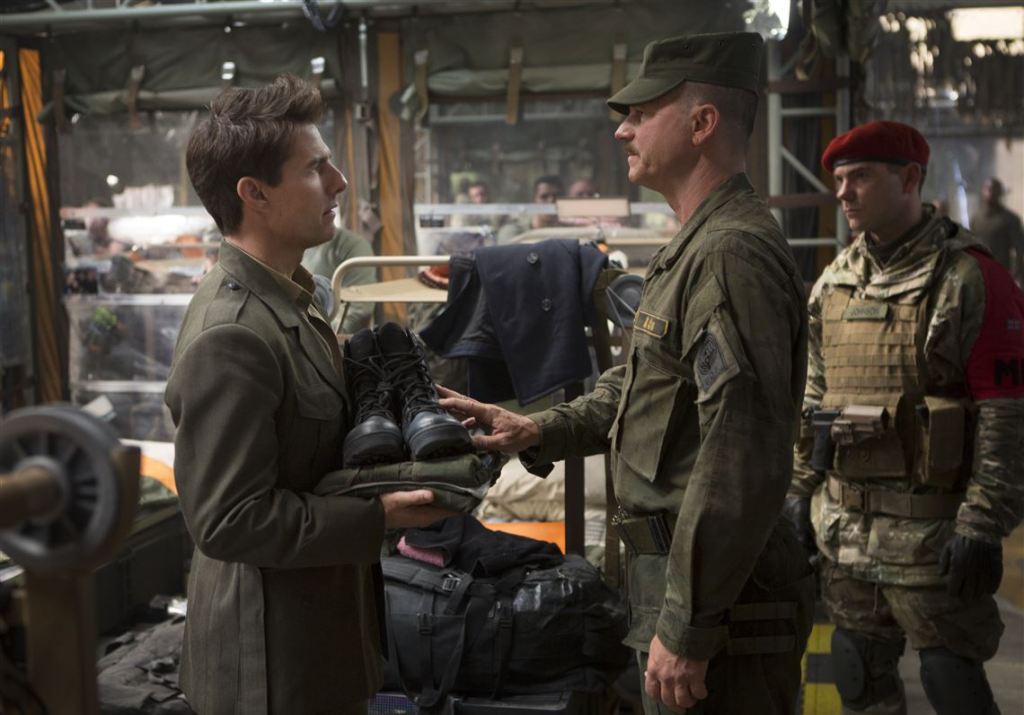
Edge of Tomorrow (2014), dir. Doug Liman. Sunday, January 29, Trylon Cinema.

Man, Edge of Tomorrow is one fun movie. This ridiculous tale of invading mechanical/organic insect creatures, a cowardly Tom Cruise, a brave Emily Blunt, and some shenanigans that make Cruise’s Bill Cage repeat the prior day every time he dies. There’s actually a great chunk of the film that shows him dying, hilariously, over-and-over-and-over again.

Continue reading

Give Us the Genuine Swashbuckler

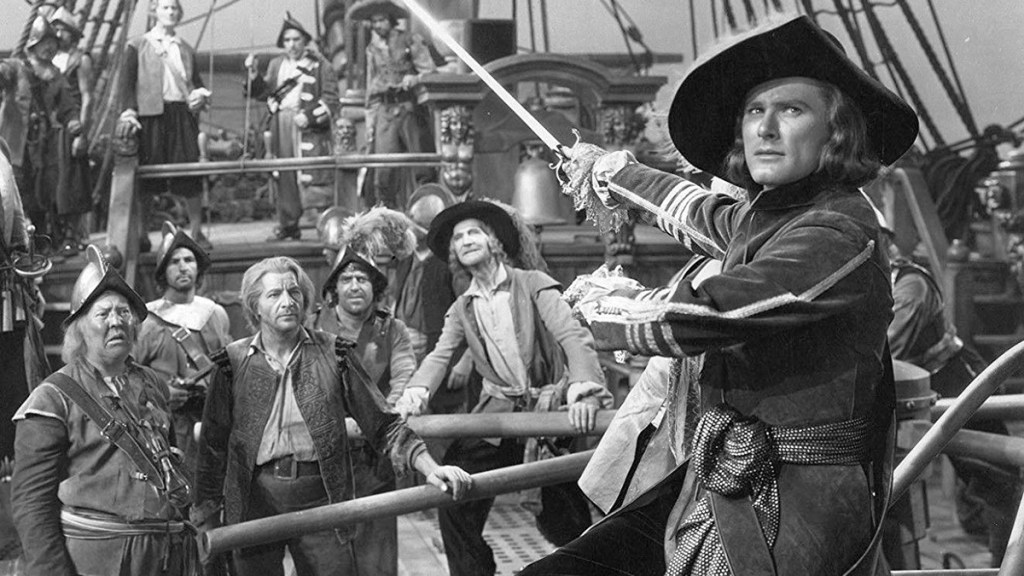
Captain Blood (1935), dir. Michael Curtiz. Friday, January 27, Streaming at Home.

For no reason other than we were exhausted and just wanted some mindless fun, we checked out Michael Curtiz’ Captain Blood, a rollicking swashbuckler with a ludicrous plot that was just tremendous fun. It involves rebellion against an evil English king, slavery on a Jamaican island, escape to become pirates, sword fighting against English actors with silly French accents (I’m looking at you, Basil Rathbone), two very real ships beating against one another and getting blown to bits, models of ships being blown to bits, and two stars in Errol Flynn and Olivia de Haviland, both sexy as hell and having as much fun as we were. I have no clue when anyone would watch the moronic Pirates of the Caribbean and all of its cheap CGI and mediocre acting when you have Captain Blood. Did I mention that two enormous ships were genuinely smashing against one another and blown apart? Fucking amazing.

Argentinian Noir at the Heights

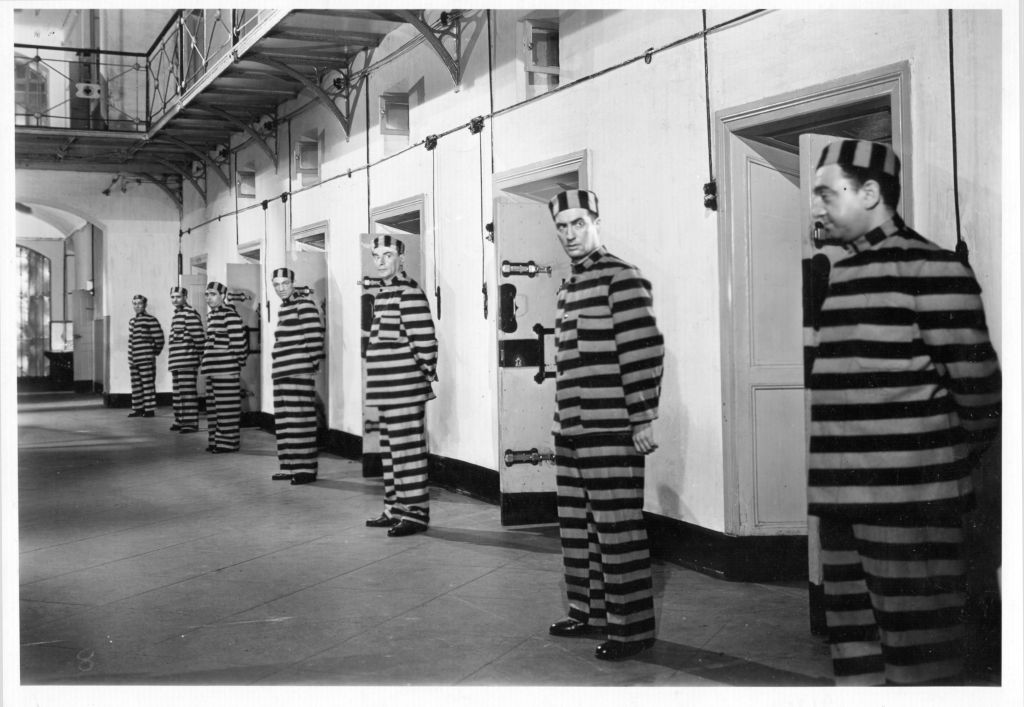
Hardly a Criminal (Apenas un delincuente) (1949), dir. Hugo Fregonese. Thursday, January 26, The Heights Theater.

The opening film in the Heights Argentinian Noir series is a crisp little crime film called Hardly a Criminal. Here, a corrupt accountant embezzles over a half a million pesos, knowing that, if caught, he would only get sentenced for 6 years in prison, the maximum for embezzlers. He does the quick math–for that amount of money, he’d have to work over 100 years. So he steals it, goes gambling, and then brazenly allows himself to get arrested, basically crooning over his trick. Problem is, all this braggadocio attracts the attention of some very awful people, who help our man escape and then torture the living hell out of him to get his loot. No one emerges unscathed, not the anti-hero, not the cops, not the criminals, and not the man’s family or his girlfriend.

This is a tight plot, nicely executed. Problem is, the hero, who is lamented over later as “hardly a criminal”, but is noted as “really just a poor boy who was lured by money” (I’m paraphrasing that last part), is a lousy human being. He is a criminal, full stop–not hardly, but totally. He’s shown ripping his own brother off when the two of them were kids, he’s engaged to a nice woman but lusting after a dancer who only wants rich men, he is always on the prowl for loads of cash and, though not violent, doesn’t seem to care about any of the collateral damage from his deeds, which, as you may surmise, results in plenty of violence to himself, to the villains, but also to plenty of good people. Worse, he’s an idiot–it’s not as though there’s the beating heart of a poet or artist beneath this gruff exterior, a good man simply sick of crushing poverty. Our hero actually has a good job, it just doesn’t pay enough for him to sleep around with glamorous women and gamble all day. That makes it hard to be fully committed to this film, because eventually I found myself eager to just see him get toasted, despite what it did to those around him.

Do They Really Have Baby Drop Boxes in Korea?

Broker (2022), dir. Hirokazu Koreeda. Friday, January 20, The Main Cinema or whatever it’s called nowadays.

I always go to see Koreeda movies, because they’re calm and patient and funny and, even if they’re flawed, as Broker is, I really enjoy my time with his people. They’re smaller stories with folks who don’t get too riled up, who make bad choices with sometimes hard consequences, but they’re never shattering–people don’t die tragically, you don’t leave one of his movies weeping. You don’t leave them all charged up, either. The only other director I can think of who works in a similar mood is Bill Forsyth, who did Local Hero, one of my favorites.

Continue reading

Women Talk, Without the Filter of a Man, in “Women Talking”

Women Talking (2022), dir. Sarah Polley. Tuesday, January 17, unfortunately at the Alamo Draughthouse.

I wish I could say that I would’ve seen Women Talking if I hadn’t read the book. I wish I could say I would’ve read Miriam Toews’ book on my own if it hadn’t been for Heidi at Moon Palace Books recommending it to me. But she did, I’m happy to say, and she did so hoping that I would make it the title for the next That Movie Was A Book? Club. This is my book club where we read books and then watch the movie from which it’s based. The original point of the book club is to surprise people with books they didn’t know existed–this one everyone knows existed, even me. Sometimes it has to be that way.

Continue reading

French Courts Sure Seem Odd in “Saint Omer”

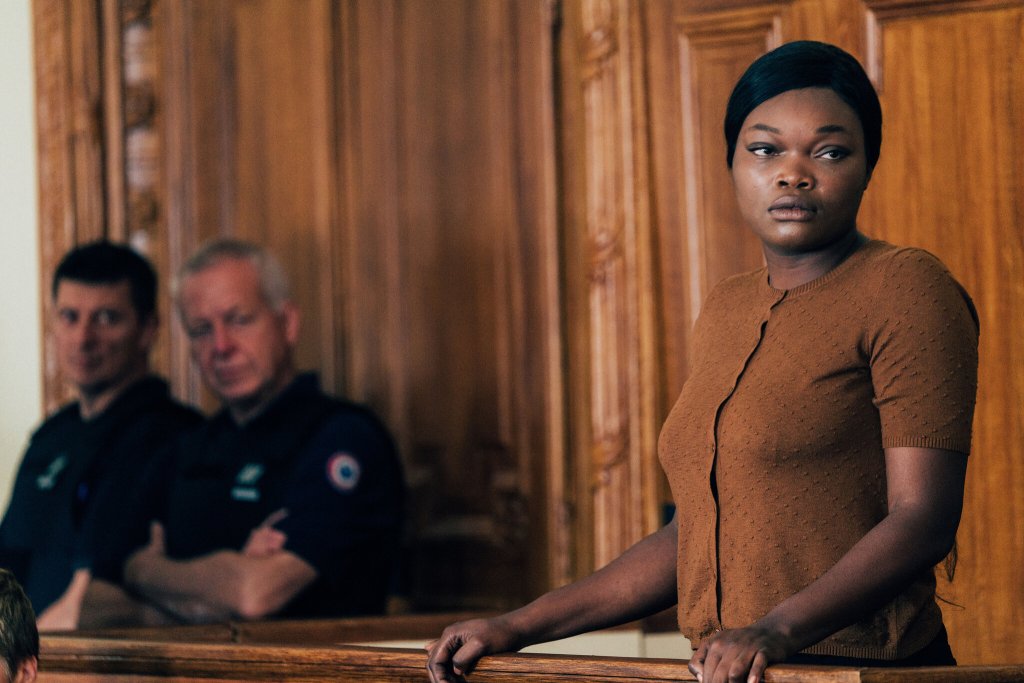
Saint Omer (2022), dir. Alice Diop. Friday, January 13 at the AMC Southdale.

The AMC Southdale is a pretty depressing place. Sparsely attended, on the edge of a dying mall (aren’t they all dying?) and selling popcorn that you can coat with what seems like liquid hand lotion, the place still holds many fond memories for me, but it sure brings me down. So I guess it’s apropos to see a movie about the trial of a woman who killed her baby.

Continue reading

The Hated “Thing” Now Makes Audiences Swoon

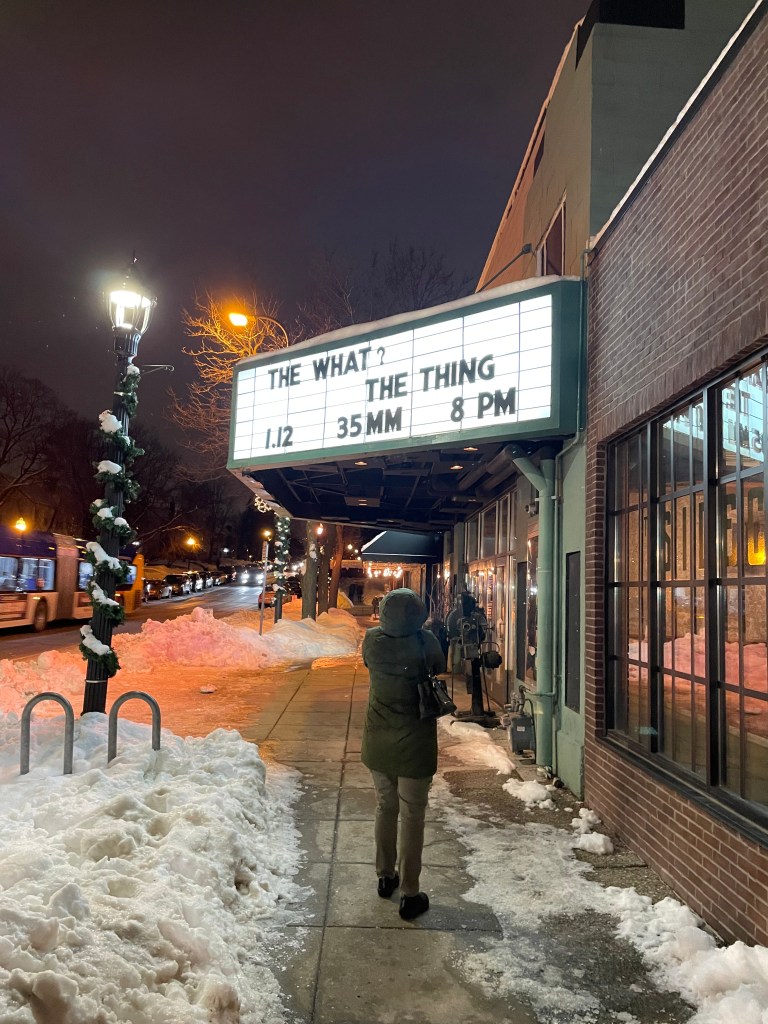
The Thing (1982), dir. John Carpenter. Thursday, January 12 at the Parkway Theater.

I guess context is everything, right? In the summer of 1982, which you might call the first full summer of the Reagan administration, since in ’81 he and his team were still trying to figure out what the fuck they were doing (it could be argued that they never figured it out), America was absolutely bursting with optimism. Gone were the dark days of cinema–forget Altman and Coppola and Scorsese, now it’s time for Spielberg and Robert Zemeckis (soon). Sadly, two of the greatest sci-films of all-time were released in ’82, and both were neglected: Blade Runner and The Thing.

Continue reading

The 50s Were Hell on Earth

Some Came Running (1958), directed by Vincente Minnelli. Streaming at home on Tuesday, January 3.

This turgid soap opera of small-town life comes to us from one Vincente Minnelli who, after Douglas Sirk, was America’s greatest practitioner of melodrama. His pop explosions of color painting the roiling distress of middle America absolutely fascinates me for a number of reasons. First of all, it’s fun to watch Sinatra and Dean Martin pal around, as their chemistry was calm, cool and collected. But Minnelli’s also crafted incredible tracking shots and glorious barroom moments that really captured this country in its supposed heyday, the 1950s. This movie is not only bursting with color, has a score that is just booming, a cast to die for, but is rich with period detail, from the downtown, with its department stores and mom and pop groceries and jewelry stores, to its packed barrooms, to the weird and stuffy homes of this little burg’s upper crust families living in their faux-plantation mansions overlooking the Ohio River. And I love that Some Came Running takes place in one of those little cities that are all over this country, towns of 25,000 to 50,000 people, not often in movies. Usually 50s films took place in small, small towns or bustling big cities.

Continue reading