Conversations Real & Imagined: “Quiet! Quiet! You’ve got to be quiet!”

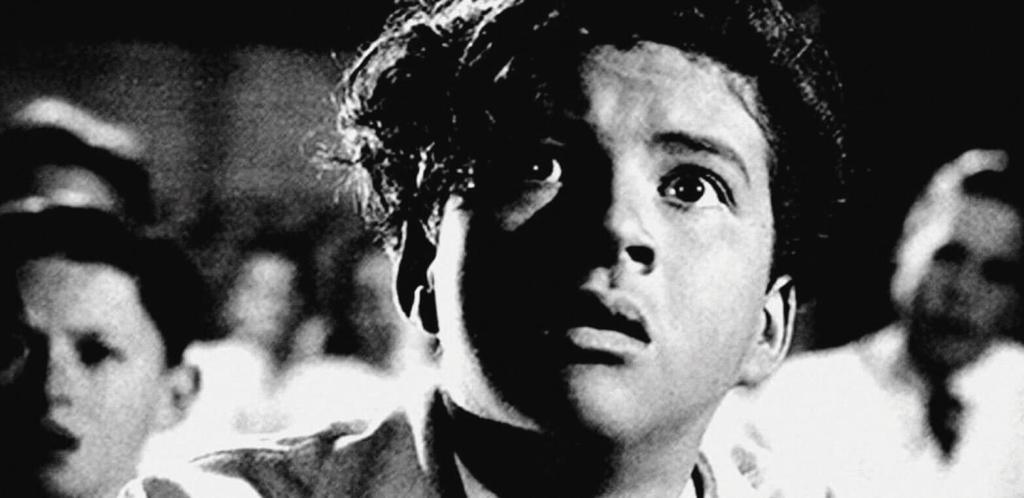
Si Muero antes de despertar (If I Should Die Before I Wake) (1952), directed by Carlos Hugo Christensen. Thursday, March 2, Heights Theater.

Moments at the Heights Theater from behind the concession stand.

Nikki from the Trylon talking to the regulars, handling the Trylon punch cards. She walked to the theater from South Minneapolis, it took her a few hours.

The regular who wears a mask, like lots of people, but he wears one of those painter’s masks with the two round filters at each end, which makes me wonder if he’s also afraid of, like, mustard gas or something.

There’s a man who always gets the same double chocolate cookie, with such regularity that we set one aside if we’re down to one. Another who loves butter, extra butter, please more butter. Then he eats a bit and asks for more butter.

Tom, from behind the popcorn machine talking to James about old radios. Or phonographs. “Everyone I’ve talked to says the RCA 109 is better.” “Really?”

Continue reading
Charles Laughton Double Feature: Two Faces of Marriage

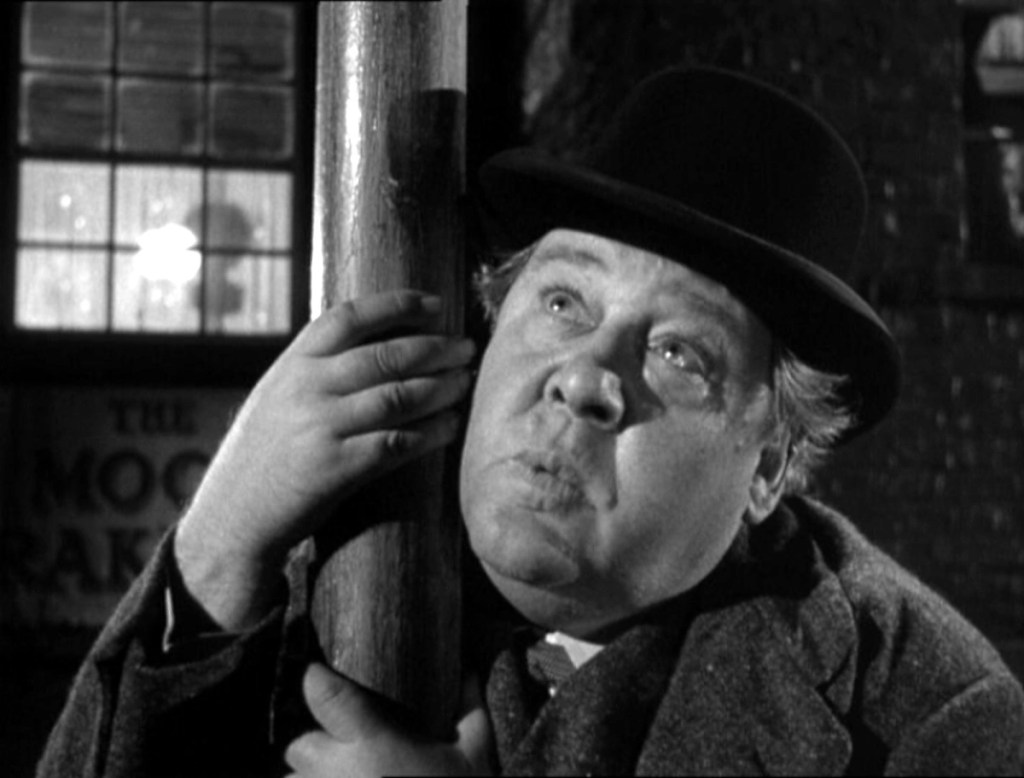
The Suspect (1944), directed by Robert Siodmak. Wednesday, February 22, Criterion Channel at home.
and,
Hobson’s Choice (1954), directed by David Lean. Wednesday, February 22, Criterion Channel at home.

It was recommended to me to watch The Suspect, as it’s new on Criterion, part of a collection celebrating the great noir director Robert Siodmak. Siodmak directed some really solid movies: People on Sunday (1930, with Edgar G. Ulmer and a sad look at Berlin before the Nazis took over), Phantom Lady, Christmas Holiday (weird but fun noir with Deanna Durbin and Gene Kelly!), The Killers and Criss Cross, the last of which is just an insane, beautiful, heartbreaking noir. Well, I watched The Suspect, was bowled over by it and by star Charles Laughton’s emotional and modern performance, and then decided, what the hell, I’m going to watch Hobson’s Choice, which I’ve seen before and loved, even thought it’s a far cry different. But what was so weird was the very different approaches to marriage that these films take.

Continue reading

Wicked, Wicked Wonderful Women at the Trylon Cinema

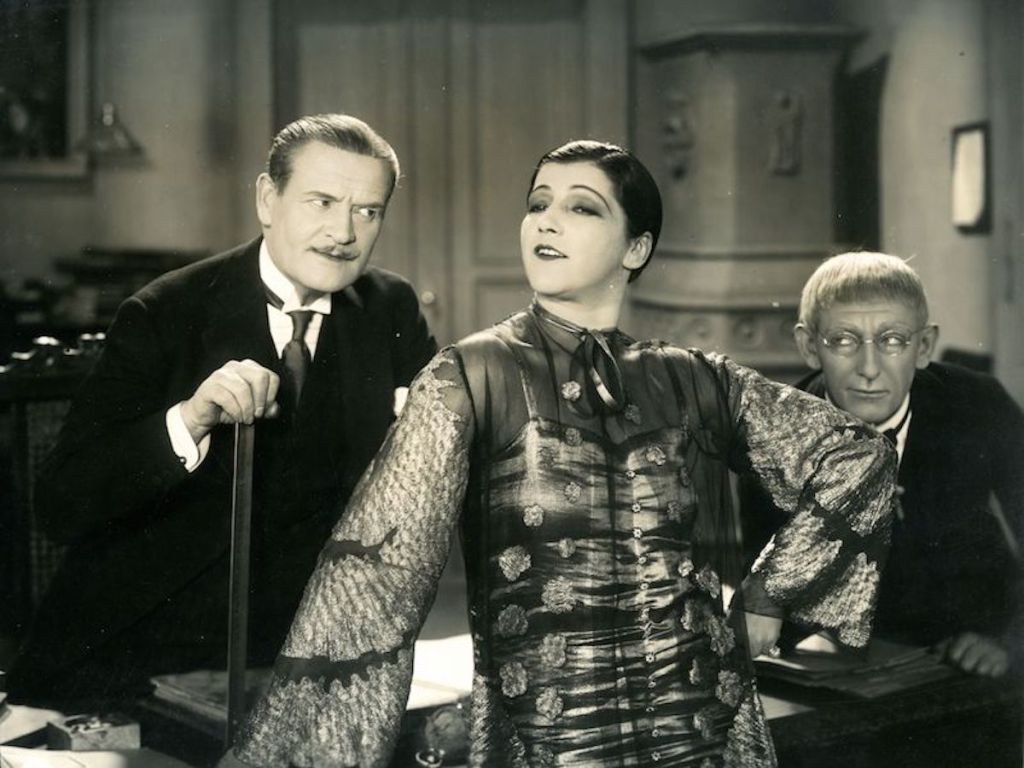
Moral (1928), directed by Willi Wolff. Sunday, February 19 at the Trylon Cinema with live accompaniment by Dreamland Faces.

And yet another silent film classic is rediscovered… and likely forgotten. One of the things I adore about silent film is that it’s often a movie that’s a shocking discovery. Here, in Moral (awful title), in some small German burg, a woman is the star of a burlesque but runs afoul of the Morals committee, which seems to be made up of fat blowhards who all want to sleep with her, barely in secret (I mean, one of them tries to grab on a train full of people). Starring the amazing Ellen Richter, who radiates charisma, Moral is funny and sexy and an endless parade of screwball and slapstick, made even better by Dreamland Faces’ live music, which suited the film perfectly. I’d never heard of this movie, most of the crowd hadn’t, and so we all piled in and witnessed something as special as a sunset or a birthday party–a moment in time, fleeting, and never to be seen again. Yes, we could watch this movie again someday, but the thrill of seeing it with a live audience and with that score, well, that’s gone like Orson Welles’ plays or Miles Davis’ Birdland concerts. Au revoir.

One sad note that occurred to me: the film is chock full of hypocritical buffoons who have no problem condemning our hero while secretly lusting for her. And I thought: this was 1928, and in just a few years these assholes are going to be Nazis.

Simple, Fatal Gestures

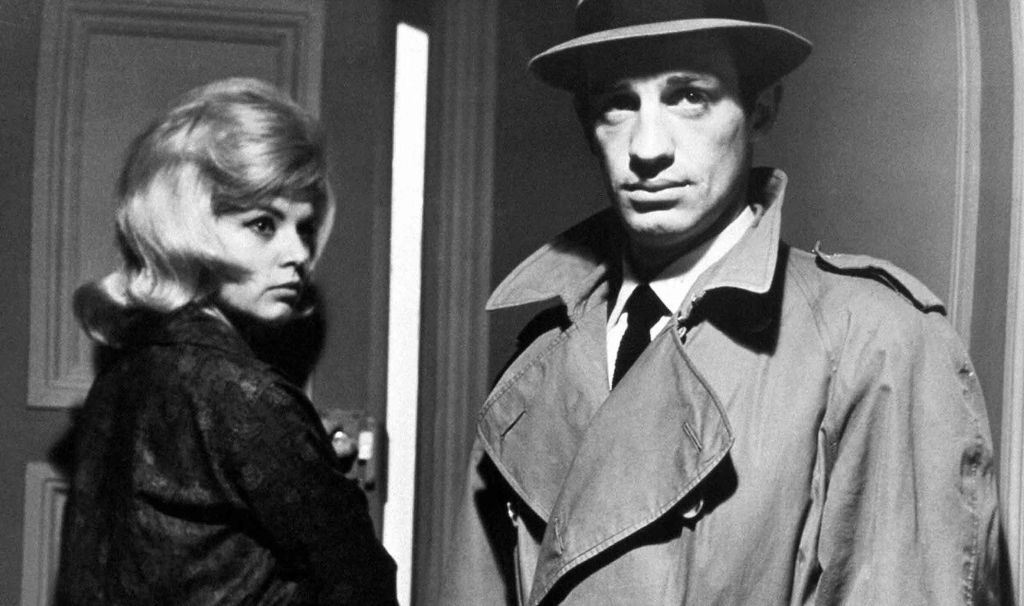
Le Doulos (1962), directed by Jean-Pierre Melville. Criterion Channel at home on Saturday, February 11.

I love the crime films of Jean-Pierre Melville. From the unreliable internet I read that he was in the French resistance, code named “Melville” (after his favorite author, Herman), and he wore aviator glasses and a cowboy hat. He’s kind of considered the father of the French New Wave, and though I love their adherents, man, I love Melville more. His movies are existentially cool, thought-provoking, weird, and thrilling. Le Doulos, like the others, involves criminals, revenge, a failed heist, frustrated cops, and a double-cross of such complexity it blows your mind when its revealed. Melville’s thieves are the embodiment of cool, but it’s always apparent that they are either dead broke, or, if they have money, it was eared through hard and risky work, and accumulated over time, squirreled away for the day when they can retire to some country farm or island. And on that day, you can believe that nothing will go right and they’ll most likely end up dead, or their best friend will end up dead.

Great dialogue, too: As one criminal noted, it was “a simple, fatal gesture” that ended up in the death of one beloved colleague.

The Brilliant, Bleak Noirs of Argentina

Los tallos amargos (The Bitter Stems) (1956), directed by Fernando Ayala. Heights Theater on Thursday, February 9.

I’m so glad that almost a hundred people turned out at the Heights to watch Los tallos amargos (The Bitter Stems). This is the story of a man, Alfredo, plagued by guilt for not participating in a war (World War II? The Spanish Civil War? Maybe his family was of German ancestry?), and frustrated by his low wages at a newspaper, eagerly joins with a Hungarian immigrant who has concocted a scheme to rip off people with this bogus correspondence course. When our hero discovers that the immigrant needs money to get his family out of his country, now occupied by the Russians, Alfredo feels like he finally can be a hero, and plunges into the work, promising to give the Hungarian 75% of the earnings to bring the fam over. Well, Alfredo’s paranoid, and little things begin to make him feel like he’s being taken by the Hungarian, with disastrous results.

The Bitter Stems is highly regarded worldwide for its lush black and white cinematography, even being named as one of the best shot films of all-time in an old poll in American Cinematographer magazine. Honestly, though, if this movie were American or European, it would be regarded as one of the great crime films, period. That it’s not is sad, but screenings like last evening’s at least make up for this, if only a little bit.

Slam, Bam, Kooky Entertainment!

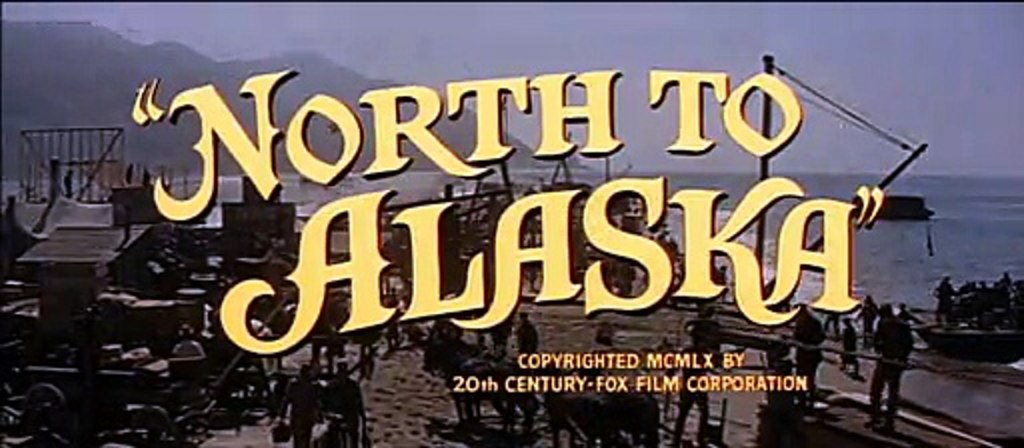
North to Alaska (1960), directed by Henry Hathaway. Streaming at home on Wednesday, February 8.

During the school year, Janice and I watch a lot of trash, some of it awful (most of it awful), some of it fun. She’s usually way too tired and emotionally battered to want to deal with, say, Aftersun, so we watch some reality TV, British TV or Star Trek: The Next Generation, which I’m enduring for the first time (Christ, that show waivers between good and bad like nothing I’ve ever seen. Sadly, most of it is thoroughly mediocre.) Oddly enough, Janice likes Westerns. Even more curious: she really likes John Wayne.

I do, too, and I’ll make a case that he was one of the great actors of Hollywood’s Golden Era, the type of actor who can pull off a movie without much great “acting”, in the method sense. No immersion into character, but rather, the same person putting on a character like they would a suit. And I think Wayne, especially in Howard Hawks movies, was a genuinely effective comedian. Case in point: North to Alaska.

Continue reading

Germany’s Weird Cross-Dressing Masterpiece (?)

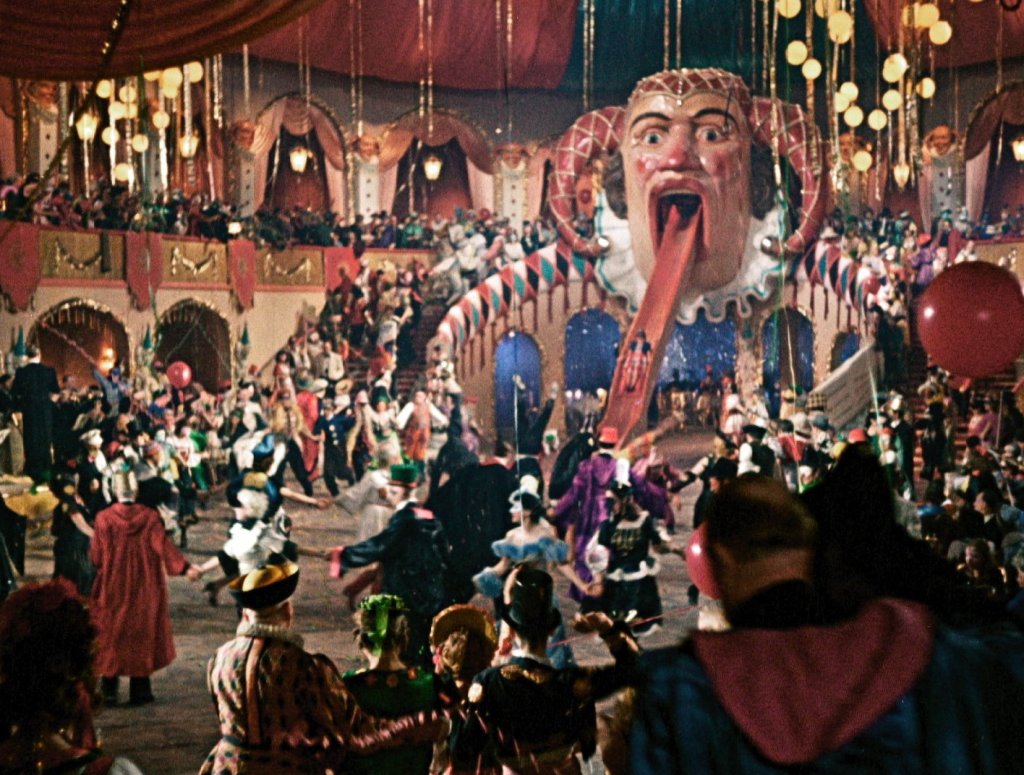
Opfergang (1944), directed by Veit Harlan. Kino Blu-ray on Thursday, February 8.

This is a Nazi-era production, commissioned by the high command, loathed by Goebbels who wouldn’t release it except in a few theaters so it would fail. It had some success in a defeated Germany a few years later. It is bonkers–the story of a man who marries a staid woman and then goes nuts for another woman, a force of nature, who is dying of some unknown heart ailment. The colors are lush, and there’s a ton of cross-dressing and very thinly veiled references to homosexuality. It’s good but also disturbing, considering it was being made in Germany during World War II, and we know what that means. The very bizarre Slovenian philosopher Slavoj Žižek placed it in his top ten in a Sight & Sound poll of the greatest films of all-time. I will say it’s lush and fascinating, even as it creeps me out.

They Restored This?!?

Repeat Performance (1947), directed by Alfred L. Werker. Kanopy Streaming at movie night on Monday, February 6.

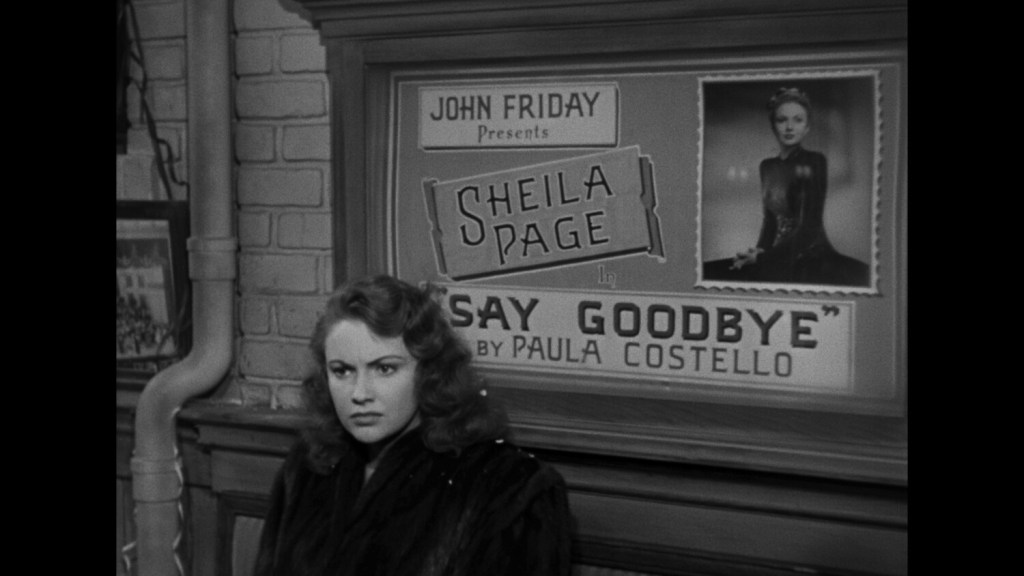
OK, look, it was movie night and we wanted noir. Flicker Alley, UCLA and the Film Noir Foundation restored this one, about a woman who kills her husband and then, for reasons unknown, is shot back in time one year before this event, and can redo this pivotal 12 months and maybe change fate. It takes place over Christmas and New Year’s and might have been a prime candidate for next year’s Coal or Candy, the Heights’ holiday program featuring movies celebrating or sending up the season.

Repeat Performance is awful. I’m not going to go into why it doesn’t work, except to say that at no point does it work. Not that the script is bad–it is awful–but everything is off. The lighting is bad, the sets dull, the actors perfunctory, and the characters are all just terrible people or idiots. There’s some stuff in the film that is at least laughably bad, but that’s it.

It’s not a surprise that Eagle-Lion studios, one of the “great” poverty row studios, made this movie–they were pumping out B pictures, they needed content, there’s a reason their movies don’t hold up, for the most part, and that’s because they didn’t pay to get quality filmmakers. What’s surprising is that teams of intelligent people saw this turd and thought, “yes, let’s spend money to restore it.” Honestly, this is the type of thing that screens at noir festivals (a newly restored “lost” noir) that only makes audiences get frustrated because it’s exhausting to watch good movies all day and then sit through this tedious flick.

Carol Eastman Presents: Pain and Suffering and Assholes

Five Easy Pieces (1970), directed by Bob Rafelson. Criterion Collection DVD at home on Friday, February 3.

I came to Five Easy Pieces because of Matthew Specktor’s amazing memoir/biography Always Crashing in the Same Car. Seriously, that’s my favorite book from last year, and I’m part way through re-reading it again. In fact, I’ve had the pleasure of recommending it to a number who have come back and said, with almost a slightly baffled look on their faces, “that book was great.”

I thought I’d hate the book. I bought a copy when David Thomson, one of my favorite critics, wrote a glowing review in the London Review of Books. Always Crashing is a memoir of Specktor’s 40th year, when he’s feeling like a dead failure–he’s divorced, he’s not really making it as a writer, he’s moved back to L. A., and he’s recently received the news that his mother, long divorced from his father, has stage IV lung cancer which has spread. She was a failed screenwriter, too, much like a lot of people in L. A. (the book opens with perhaps one of the most talented people in the world to fail at screenwriting, F. Scott Fitzgerald.)

Rather than just write a mopey memoir about his own life, Specktor instead weaves his life and recollections in with stories of other failed artists in Hollywood, women and men who had some degrees of success, but never really got off the ground–Eleanor Perry, Warren Zevon, Thomas McGuane, Hal Ashby (among others) and, for me the most fascinating, Carol Eastman.

Continue reading