The Strange Case of L. B. Jones

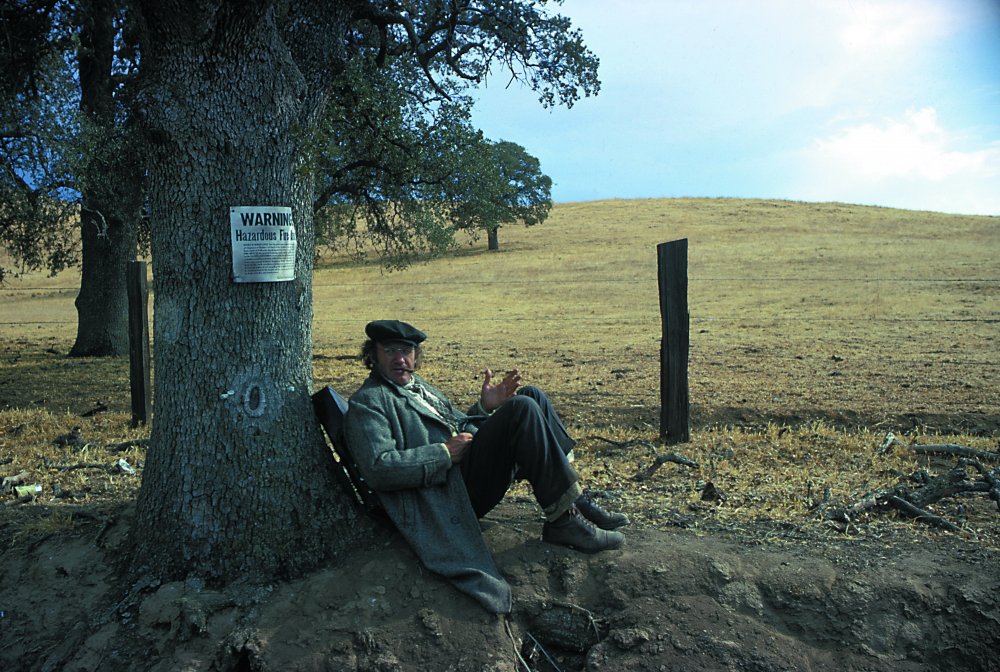
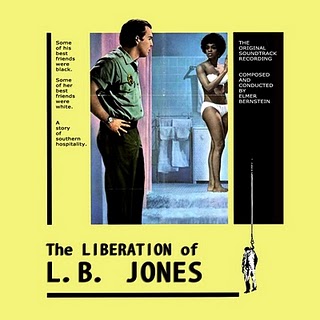
The Liberation of L. B. Jones (1970), directed by William Wyler.

There is a fascinating opinion piece by Professor Patricia A. Turner in a recent edition of the New York Times. In it, she argues that the current hit film The Help perpetuates “dangerous white stereotypes”–that the only racists that existed in the south were mean bastards or bitches who were so awful that they kept good whites from being able to affect change. As Turner puts it, “To suggest that bad people were racist implies that good people were not.”

Turner goes on to skewer an American classic, To Kill a Mockingbird. That film, which she admits “moves her”, also shows, according to her, a total falsehood. “[T]hat well-educated Christian whites were somehow victimized by white trash and forced to live within a social system that exploited and denigrated its black citizens, and that the privileged white upper class was somehow held hostage to these struggling individuals.”

Continue reading
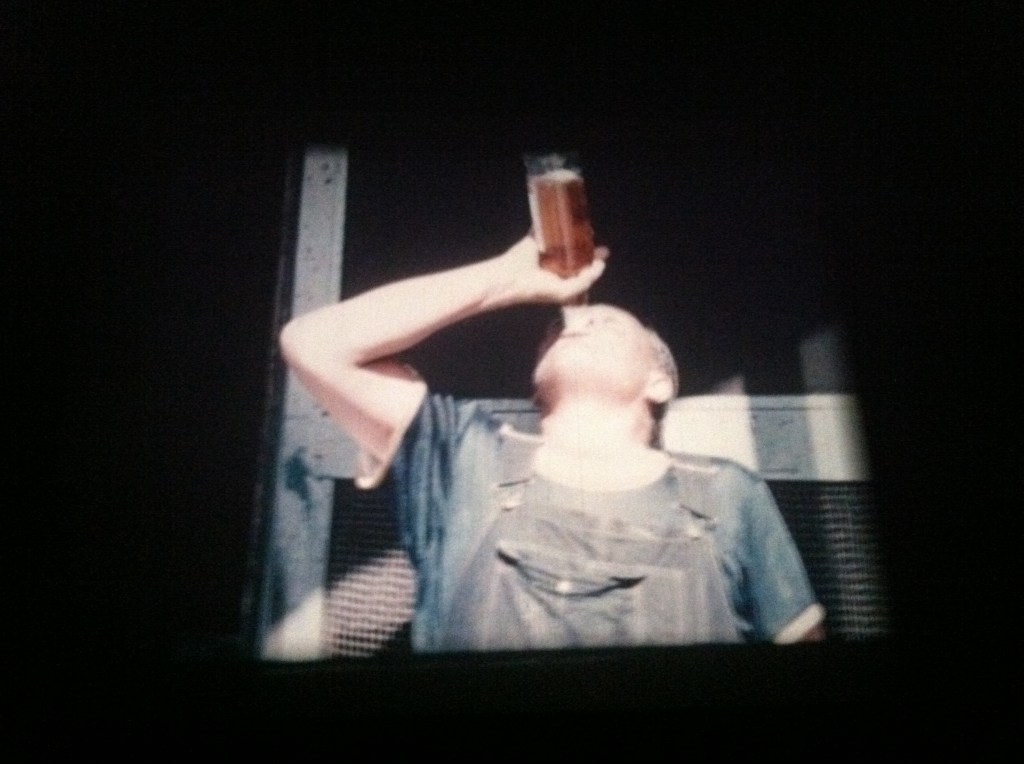
Five Film Favorites: Poetry in Movies

With the announcement that my favorite poet, Philip Levine, was named the Poet Laureate of the United States, I thought it apropos to write a piece about the moments in movies when poetry is recited, or invoked.

The movies below all feature incredible moments involving poetry. There’s a few that have been left out, of course, most notably Four Weddings and a Funeral, since that scene is so ubiquitous as to be a joke. And don’t ask me about Dead Poets Society, since I loathe that one.

Continue reading

Down and Out (in Minneapolis and New York)

Skid Row (195?), directed by Johnny Rex and On the Bowery (1956), directed by Lionel Rogosin.

In a summer of endless clashes between spandex covered men and alien invaders, of comedies involving endless sex jokes and great buckets of shit, of children’s films in which the whiny echoes of spoiled brats reverberate off the walls of giant mansions, my favorite movies from this year come from the distant past.

In this past, the cameras were aimed squarely at the poor and downtrodden. No one flew. There was no CGI. Budgets were in the hundreds of dollars to low thousands, and the actors, well, they weren’t acting. And they certainly weren’t paid. The movies in question are Skid Row and On the Bowery. Witness five minutes of either, and you will see a vast expanse of human emotion: of love and affection, of hate and violence, of laughter and joy, of tears and tremendous, profound, profane, and seemingly endless despair. You can tell me to stare dumbstruck at the empty majesty of Avatar or Harry Potter, but for my money and time I will take this: life, rich and beautiful life, warts, scars, missing teeth, and all.

Continue reading

A Forgotten Film About Forgotten People

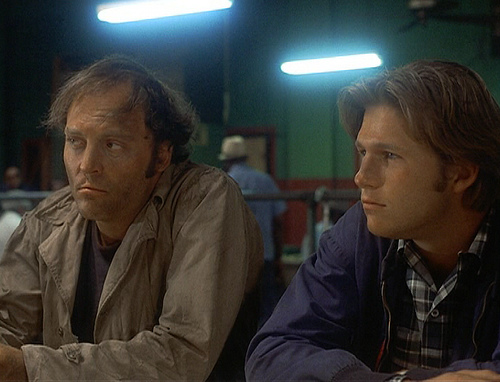
Scarecrow (1973), directed by Jerry Schatzberg.

Last week, I wrote about how the poor and downtrodden seem to have been forgotten by Hollywood, and referenced a wonderful and modest little movie called Scarecrow.

Scarecrow is a movie you should seek out, and seeking is something you’ll have to do if you find this review interesting. For it was released on DVD some years ago, quickly went out of print, and is available almost nowhere… except eBay, Amazon, and the like. But it’s cheap to own–I bought my copy for fifteen bucks, the price of a couple of movie tickets.

Continue reading

Let Us Now Praise Famous Men

Where have all the poor people gone? As our government is on the verge of shutdown, nearly 10% unemployed and tons more under-employed, one would think that the cinematic landscape would be filled with throngs of characters struggling to pay their bills.

You might point to TremeThe Wire, and the recent Larry Crowne as examples of movies (and you’ll see that I’m including TV in here) that have characters who are down and out. But perhaps I should amend this a bit: where are the movies about people who struggle where that isn’t such a big, freakin’ deal?

Continue reading

This Week’s Birthday: Strother Martin

Strother Martin. You may not know the name, but you certainly know the line:

What we have here is… failure to communicate.

Now think about the fact that Strother–cool name, that–made a very memorable name for himself in the tiniest of roles. He hardly gets any screen time, but let me tell you I love watching Strother Martin. That weary face, screwed up, blinking, the face of a good guy or bad, taking a deep breath and speaking in that memorable Indiana accent.

Continue reading

Five Film Favorites: The Sweet Science of Bruising

Has there ever been a sport better examined by cinema than boxing? The “sweet science of bruising” (as A. J. Liebling put it) pits man against man (or woman against woman, but I’ll be damned if I’m putting that lousy flick here), addresses class, race, immigration… hell, nearly every turmoil present in the great American experience. Though my choice is baseball, boxing is the great movie sport, without question.

Continue reading

This Week’s Birthday: Joan Crawford

Ah, Joan Crawford. What does the name mean to you? For a lot of us–too many of us, I think–the name “Joan Crawford” immediately conjures up that hideous mask, the black gown, the screeching “No more wire hangars EVER!” And yet that’s the work of Faye Dunaway, not Joan Crawford. Some of us know that Mommie Dearest was never a Crawford picture. Even then, we sit back smugly and recall the mania of What Ever Happened to Baby Jane? and think, yes, Joan Crawford was one strange woman.

Continue reading

Loving the Alien

Paul (2011), directed by Greg Mottola.

Chemistry’s a great thing. There are piles and piles of celluloid devoted to the lovely “click” between a pair of comic buffoons: Laurel & Hardy, Abbot & Costello, Martin & Lewis, Hope & Crosby, to name but a few of cinema’s ampersanded couples. Britain’s Nick Frost and Simon Pegg, the duo bumbling through Shaun of the Dead and Hot Fuzz, perhaps the reigning comic pair of the new century, have returned in a decent new comedy about a stoner space alien, Paul.

Continue reading